
sports injury prevention
Protect your game, protect your body.
Sports injuries are divided into two broad categories, acute and chronic injuries. Acute injuries happen suddenly, such as when a person falls, receives a blow, or twists a joint, while chronic injuries usually result from overuse of one area of the body (repetitive overload) and develop gradually over time. Examples of acute injuries are sprains and dislocations, while some common chronic injuries are tennis elbow and stress fractures.
Read below for a list of common injuries and how to prevent them through exercise done right.
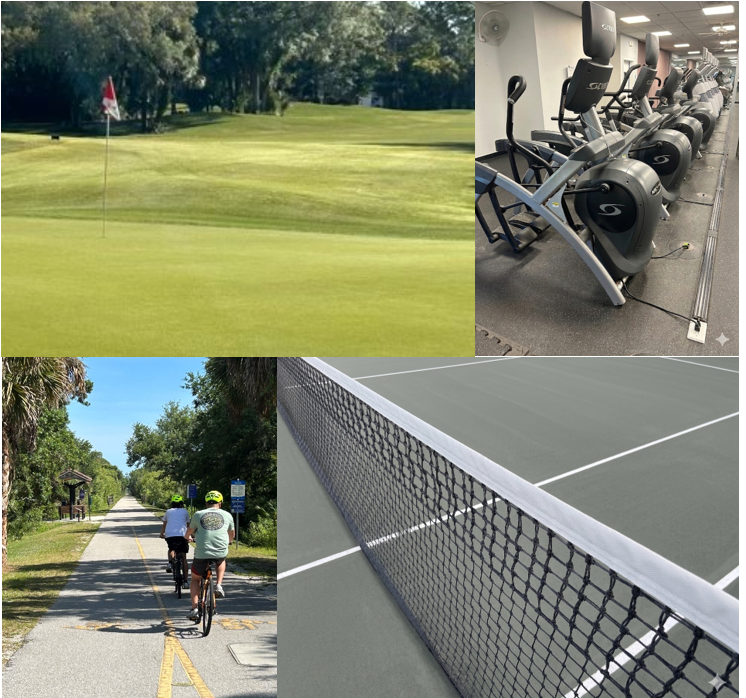
Racquet Sports
Tennis Elbow (lateral epicondylitis) is soreness or pain on the outside (lateral) side of the upper arm near the elbow.
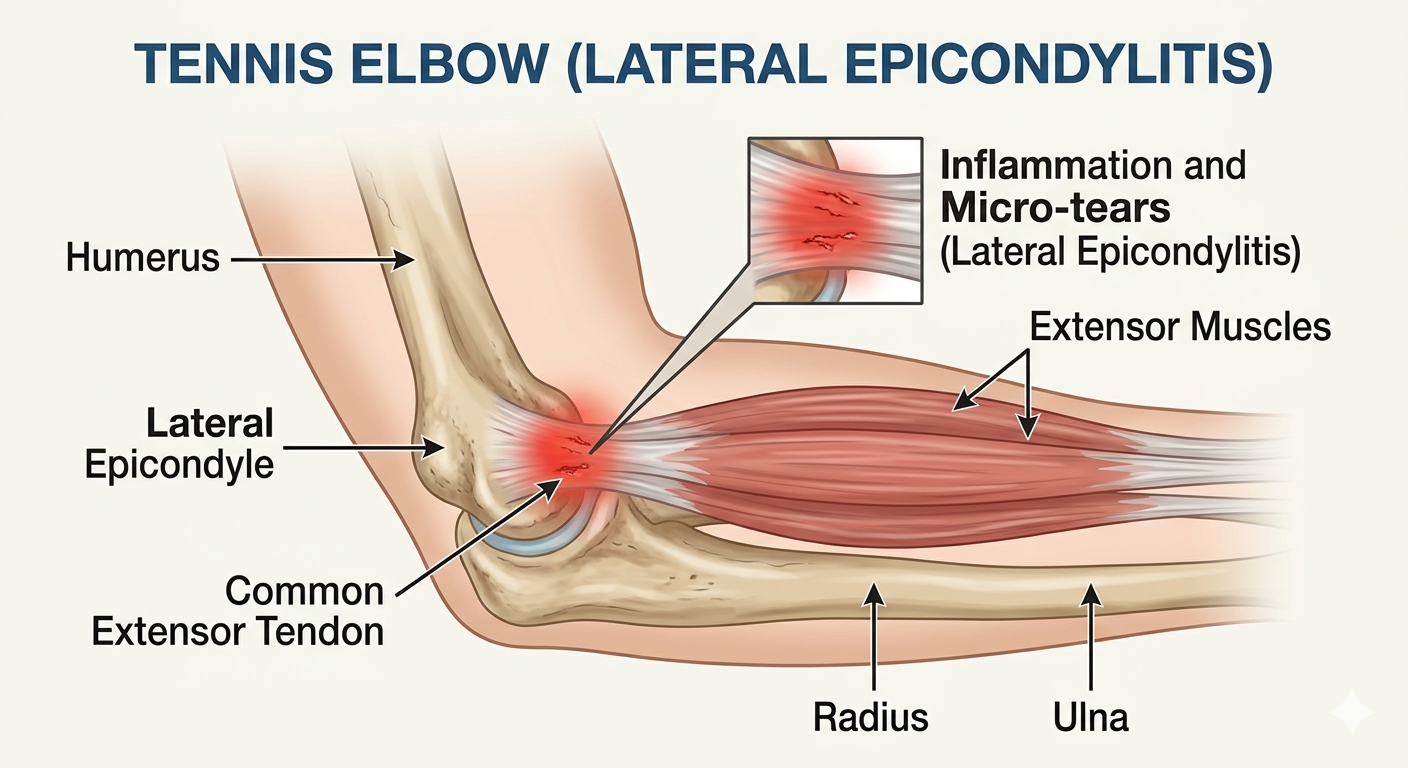
When you play tennis or other racket sports, the tendons in the elbow can develop small tears, wear down, and become inflamed, causing pain on the outside of the elbow.
Preventative Exercises
Rotator Cuff injuries happen when the tendons or bursae near the joint become inflamed from overuse or a sudden injury.
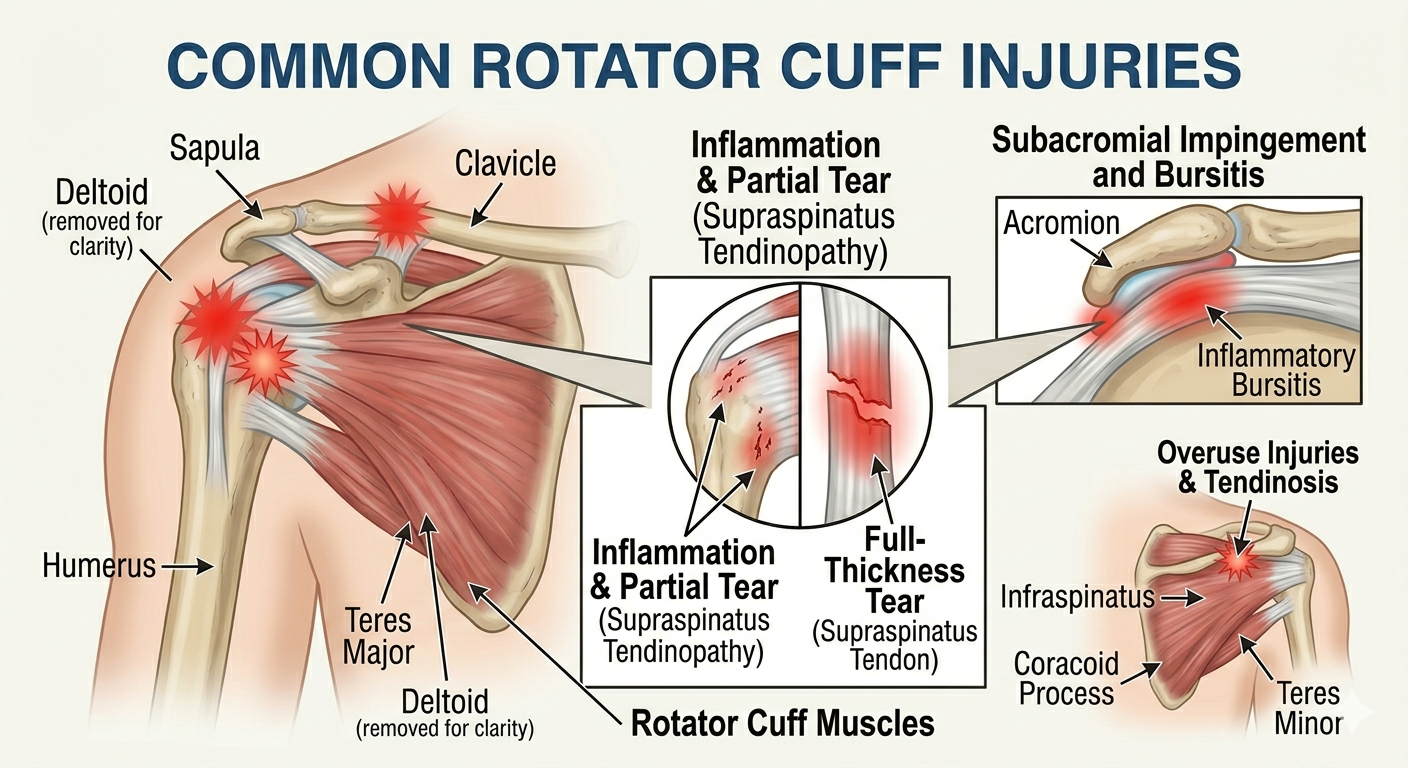
Your shoulder joint is composed of three bones: the clavicle (collarbone), the scapula (shoulder blade), and the humerus (upper arm bone). Rotator Cuff injuries are common in athletes who repeatedly reach upward, such as tennis players and swimmers.
Preventative Exercises
Golf
Golfer’s Elbow (medial epicondylitis) is a form of tendinitis that causes pain in the inner part of the elbow. Pain may spread to the forearm and wrist. Golfers and others who repeatedly use their wrists or clench their fingers can develop it.
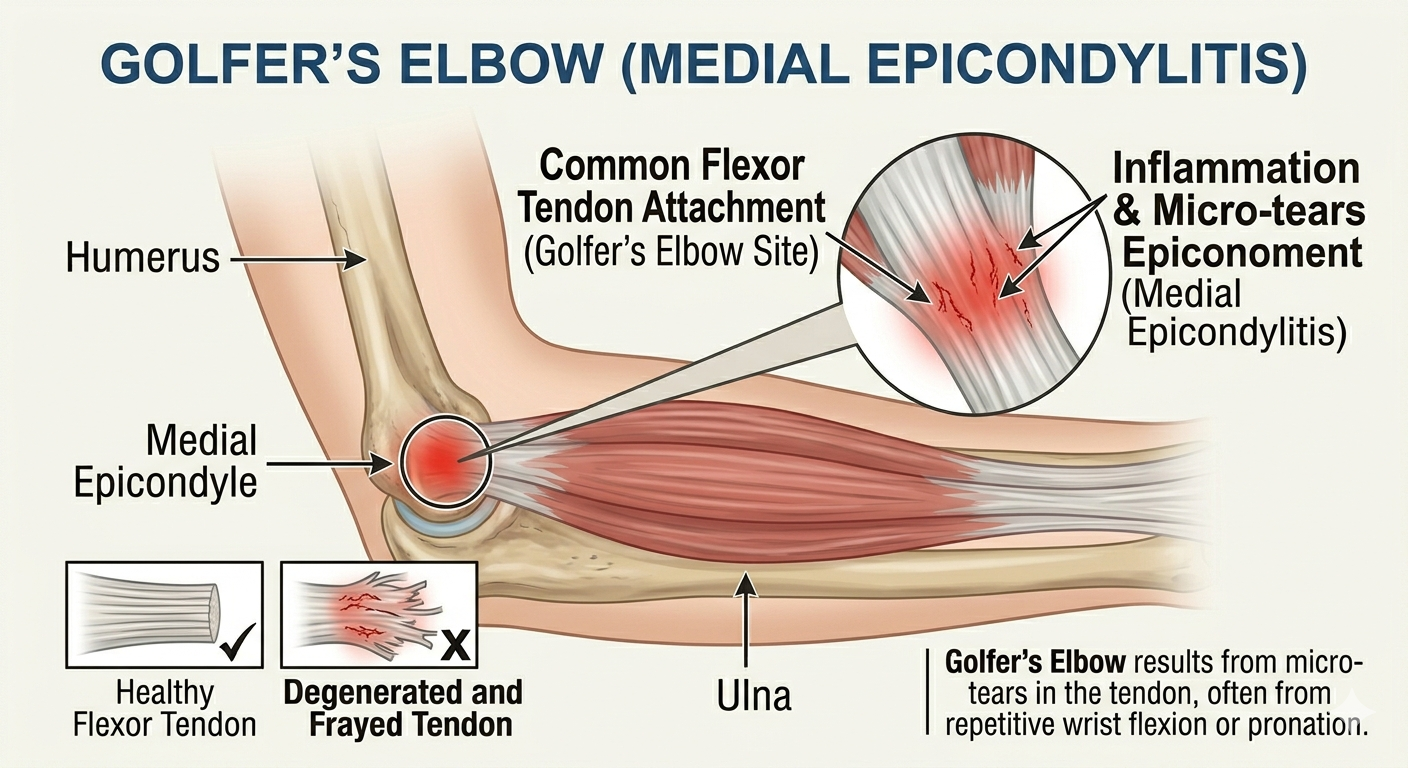
Symptoms of golfer’s elbow include elbow pain that runs along the inside of your forearm to your wrist, on the same side as your pinky finger; or pain when flexing your wrist, palm down.
Preventative Exercises
Aerobics
Seniors on aerobic gym machines are most at risk for knee, back, shoulder, and foot/ankle injuries (including Plantar Fasciitis), often from overuse, poor form, or age-related musculoskeletal changes.
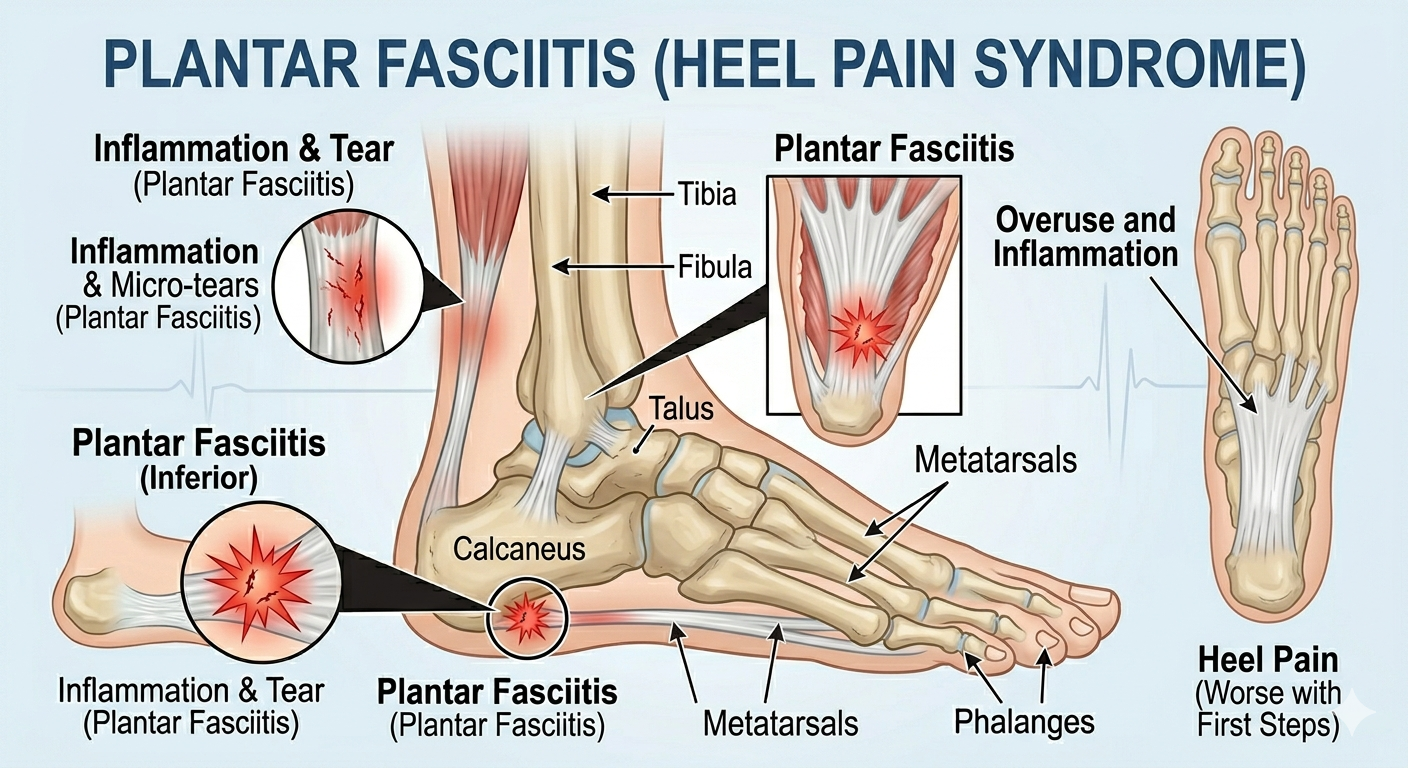
Typical causes include poor posture, improper form, overuse, leaning heavily on handrails or using improper grip positions, prolonged use of machines with fixed foot placement.
Preventative Exercises
Walking
You can sprain your ankle when you roll, twist, or turn your ankle in an awkward way, stretching or tearing the ligaments in the joint.
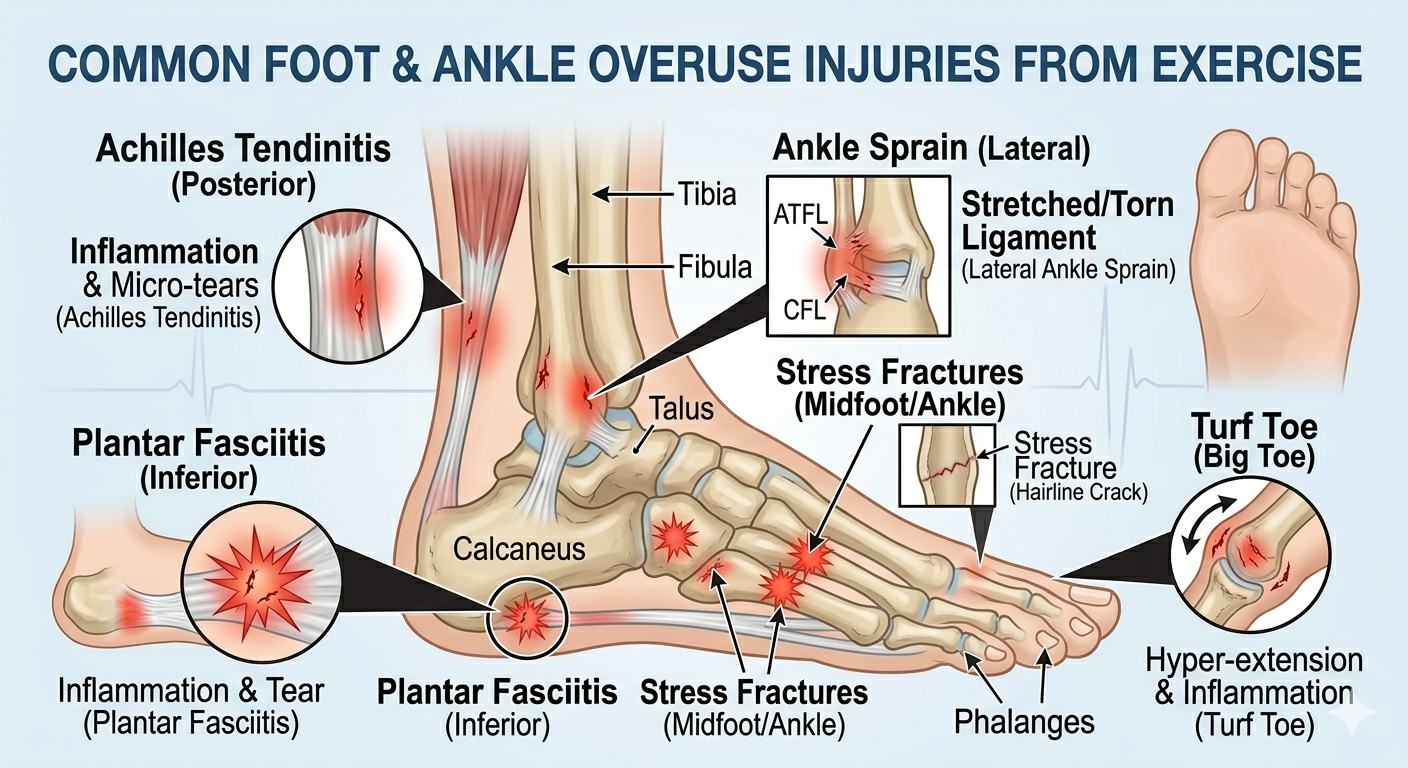
Recurrent ankle sprains are primarily caused by weakened ligaments, impaired proprioception, muscle weakness, and structural abnormalities that reduce ankle stability.
Preventative Exercises
pickleball – a sport for you
Pickleball is a game with a short learning curve that offers low-impact cardiovascular benefits. It is inexpensive, quick to learn, easy to play, and suitable for players of all ages and all levels of athletic skill.
The rapidly growing popularity of pickleball among seniors, even those who previously had been sedentary, has given the older population new recreational opportunities, while at the same time, presenting clinicians with geriatric sports injuries. The most commonly reported injuries overall were muscle strain or sprains, often the result of slipping, falling, or diving for the ball. See this linked article for more information: Treating Geriatric Sports Injury Among Pickleball Players: A Narrative Review of an Exercise Craze Among Seniors.
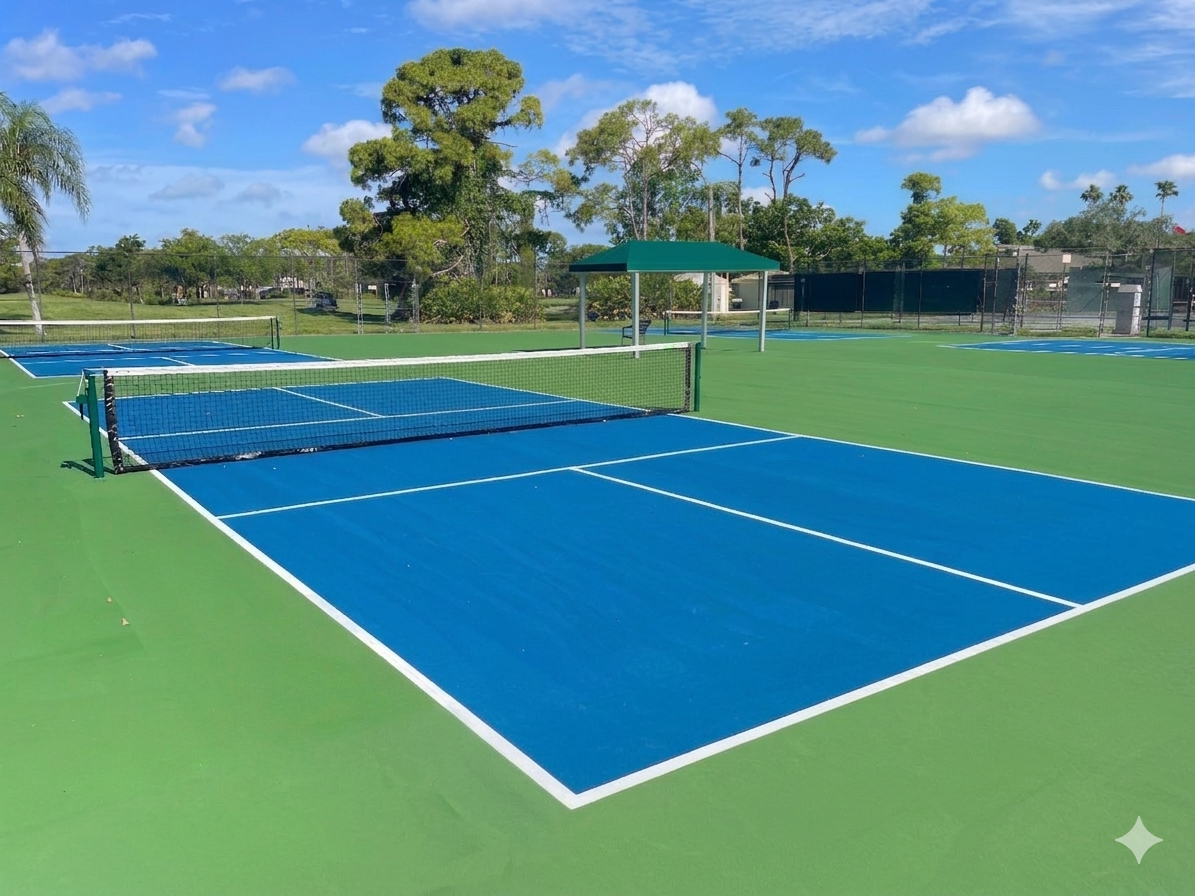
Try these exercises to improve your game.